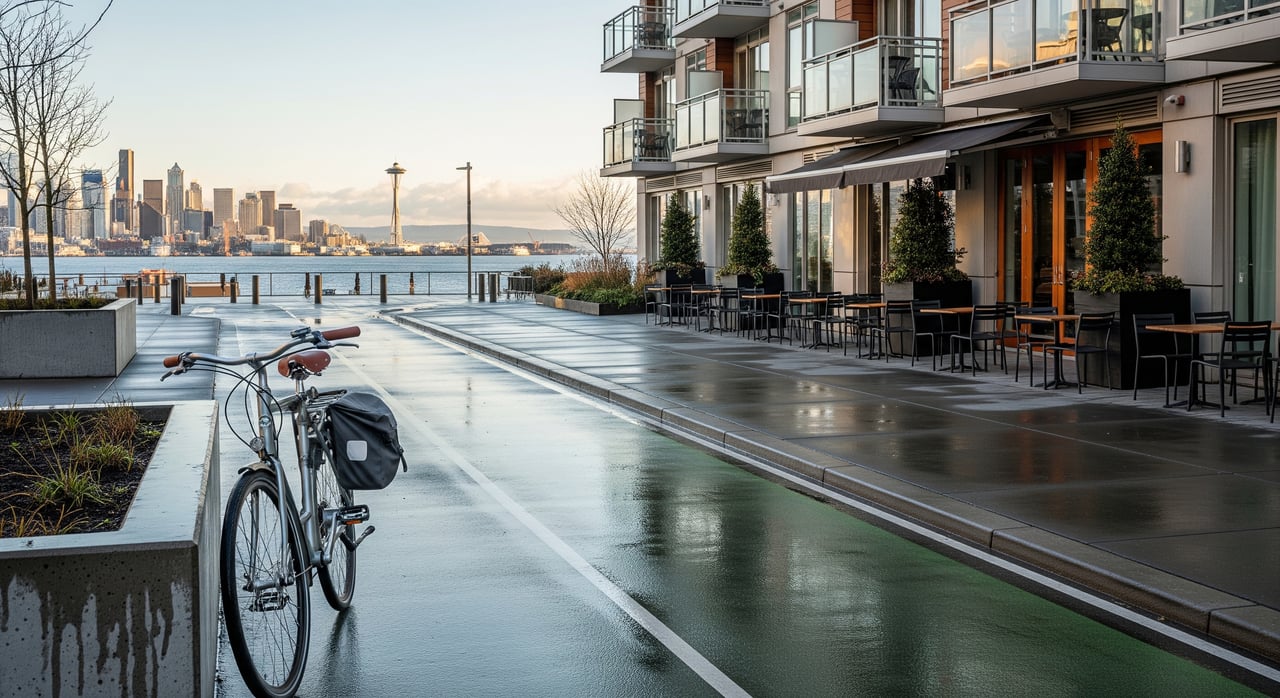
Living Car Free in Seattle: A Local Lifestyle Guide
February 5, 2026
February 5, 2026
Thinking about ditching your car in Seattle? You are not alone. With dense, walkable neighborhoods, expanding light rail, and reliable bus service, many locals get around by transit, bike, and foot most days. In this guide, you will learn how car-free living really works here, where it shines, where it is harder, and how to plan your daily life with confidence. Let’s dive in.
Seattle offers a mix of highly walkable neighborhoods and more car‑dependent areas. Downtown, Capitol Hill, Belltown, First Hill, South Lake Union, Ballard, Fremont, and parts of West Seattle and Columbia City stand out for daily errands without a car. Many outlying areas and some Eastside suburbs require more planning, especially if your commute or childcare spans multiple neighborhoods.
Your decision hinges on a few key factors: where you work, your household needs, your budget, and your comfort with rain and hills. Many residents blend modes, using transit and bikes during the week, then rideshare, carshare, or short‑term rentals for big errands and trips that are easier with four wheels.
King County Metro runs an extensive bus network that reaches most Seattle neighborhoods and many destinations across the county. Frequent RapidRide lines, like the D Line and E Line, offer faster, limited‑stop service on high‑demand corridors. Bikes fit on front racks, and folding bikes can come onboard, which makes mixed trips practical. Service levels vary by route and time of day, so cross‑town trips can be slower than driving.
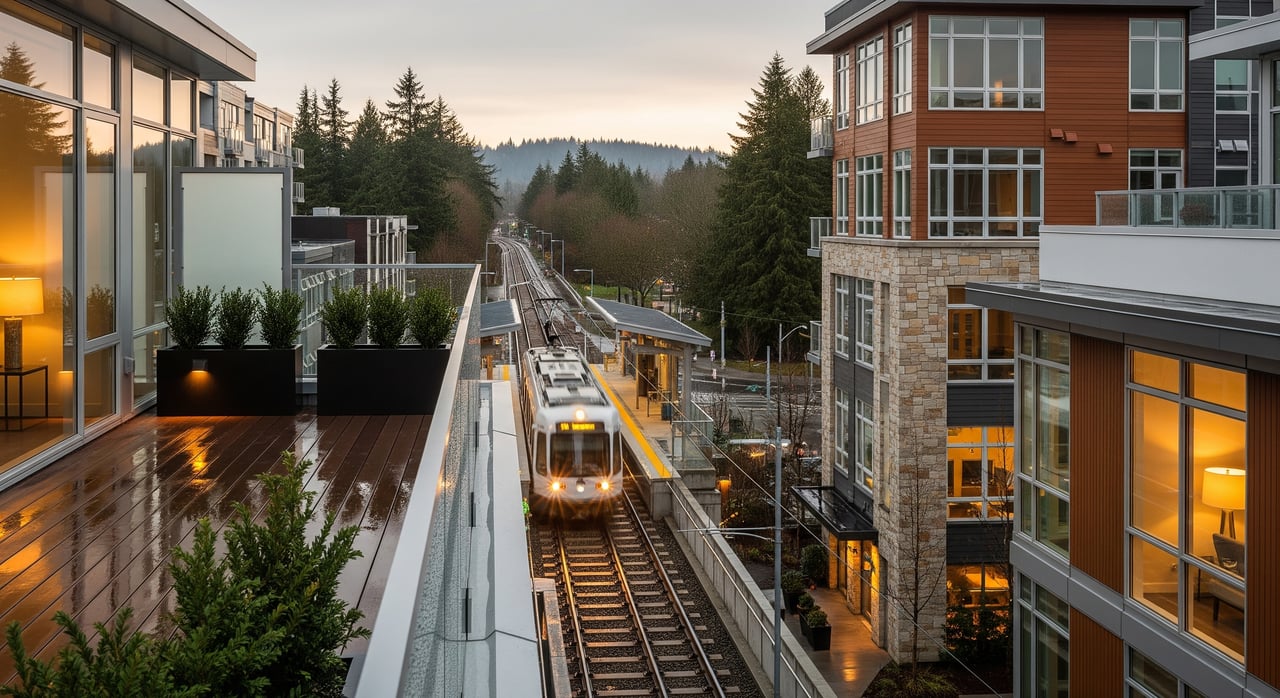
Sound Transit’s Link light rail is the north–south backbone for fast, predictable travel through the city with several central stations. It is a strong option if you work downtown or near major medical and tech hubs. Regional expansions toward the Eastside have improved access in recent years, though many trips still require a bus or walking connection. Bikes are allowed on Link, but check policies if you rely on peak‑hour trips.
The Seattle Streetcar lines in South Lake Union and First Hill help you move within core neighborhoods. The Seattle Center Monorail links Westlake Center to Seattle Center for quick, frequent trips around events and attractions. These are convenient connectors, though not full network replacements.
Washington State Ferries connect downtown to Bainbridge and other island destinations, and some riders commute car‑free from the islands. The King County Water Taxi offers routes that serve West Seattle and Vashon at select times. Boats can be a scenic, time‑saving option for waterfront commutes, but schedules and seasonal demand matter.
Dockless e‑bikes and scooters operate in the city, and availability shifts by vendor and season. Seattle’s separated trails, like the Burke‑Gilman, and growing protected bike lane network make two‑wheeled travel workable in many corridors. E‑bikes are popular for hills and longer distances, and cargo e‑bikes help with groceries and school runs. Apartment bike storage varies, so ask about indoor racks and secured rooms when you tour homes.
Uber and Lyft are widely available when transit is less frequent, especially late at night. Zipcar and peer‑to‑peer services such as Turo or Getaround can cover weekend trips or bulk errands. Short‑term car rentals are easy to find for moving days or longer drives, which means you can stay car‑free while still handling less common tasks.
Buses and Link light rail offer ADA‑compatible access, and Access Paratransit serves eligible riders who need on‑demand support. If accessibility is a priority for your household, review eligibility and scheduling details with King County Metro and Sound Transit as you plan your routines.
In many central neighborhoods you can walk to grocery stores, specialty markets, and pharmacies. A weekly walk for fresh items is common, and you can supplement with delivery for heavy or bulky goods. Folding grocery carts and panniers help, and e‑cargo bikes make larger hauls surprisingly easy. When you ride transit with bags, be mindful of peak times and leave extra room for boarding and exits.
Families do live car‑free here, especially when schools, parks, and activities are close by. For older children, walking and buses can work well. For younger kids, strollers and car seats add logistics, so many parents rely on e‑cargo bikes for school and daycare drop‑offs. Some households choose a hybrid approach, using carshare for complex days or keeping one car for flexibility.
Most large moves call for a rental truck or professional movers. For furniture and oversized purchases, delivery services and carshare can fill the gap. For emergencies, rideshare or short‑notice rentals are common fallbacks. Think about how often you truly need guaranteed vehicle access, then choose the mix of memberships and rentals that fit your life.
Seattle’s hills can make walking and biking feel like a workout. E‑bikes reduce the effort, and good route choices help you avoid the steepest grades. Rain is part of the rhythm here, so plan on waterproof outerwear, a reliable rain shell, and non‑slip footwear. On colder days, gloves and lights make a big difference in comfort and visibility.
Protected bike lanes, trails, and calmer neighborhood streets can make your ride feel safer and more predictable. Helmets and bright lights are common, and many riders choose routes that avoid busy intersections during rush hour. On transit, local agencies run security programs, and riders often report that choosing well‑lit stops and traveling during busier times feels more comfortable.
Car ownership comes with insurance, fuel, maintenance, parking, registration, and depreciation. National estimates often place the annual cost in the mid to high four figures, sometimes into the low five figures, so reducing or removing a car can free up real money for housing, transit passes, or e‑bike purchases. Keep in mind that the most walkable neighborhoods usually carry a rent or purchase premium. If you qualify, the ORCA LIFT program offers reduced transit fares, and many employers provide pre‑tax or subsidized transit benefits.
If daily walking and transit are your goals, focus on dense, mixed‑use areas with frequent service. Capitol Hill, Downtown and Belltown, First Hill, South Lake Union, Queen Anne, Ballard, Fremont, Columbia City, and parts of West Seattle and the Westlake corridor are often strong fits. Neighborhoods at the urban edge and many Eastside suburbs can be more challenging without a car, especially if your job is outside downtown or your schedule requires multiple cross‑town trips.
On congested corridors, Link light rail and RapidRide buses can match or beat driving door to door. Reliability improves when you stick to frequent corridors or timed connections. Cross‑town and east–west trips can still take longer by transit, so test your commute during typical travel times. Off‑peak service in core areas is generally solid, though some routes run less frequently at night or on weekends.
If your life centers on a walkable Seattle neighborhood, and your commute aligns with Link or frequent bus corridors, car‑free living can be convenient and cost‑savvy. If your days span distant schools, medical appointments, or Eastside sites with limited transit, consider a hybrid approach with carshare or a single household car. Either way, a little planning goes a long way toward a smoother daily routine.
Ready to compare neighborhoods through a car‑free lens, then find a home that fits your commute and lifestyle? With decades of local experience and a boutique, high‑touch approach, Cheryl Dillon can help you evaluate walkability, transit access, and housing options across Seattle and the Eastside. Let’s connect to plan your move with clarity.
Stay up to date on the latest real estate trends.



With a commitment to excellence, Cheryl ensures that every client enjoys a seamless, informed, and five-star experience throughout the home buying or selling process.