
Seattle's Residential Game Changer: Upzoning Opens Door to 4-6 Homes Per Lot
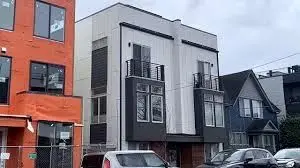
A Regulatory Shift with Broad Implications
On June 30, 2025, Seattle enacted an interim upzoning measure in compliance with Washington’s “Missing Middle” legislation theurbanist.org+3Cascade PBS+3theurbanist.org+3. The policy permits four to six residential units on lots that were exclusively single-family—max two stories in most areas, and up to six units near transit or with affordability conditions. The aim: foster diverse housing options, increase supply, and ease affordability pressures while maintaining neighborhood scale.
What’s Coming to Your Block
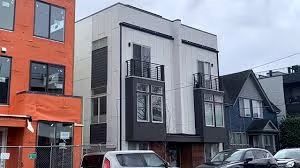
Architects envision a mosaic of new housing types: townhouse clusters with front-facing doors, inward-facing cottage courts, small multiplexes that blend with existing sidewalks. These designs preserve human scale and walkability, aligning with Seattle’s character. Target neighborhoods include Eastlake, Ravenna, and areas near transit hubs. Design specifications ensure new builds respect existing setbacks, materials, and height guidelines.
Community Integration Over Density
This upzoning is meant to infill, not overhaul. Instead of razing homes to build towers, it introduces mid-density options sensitive to context—suitable for multigenerational families, downsizing residents, and younger households seeking ownership. Developers cite this as the missing piece in meeting Seattle’s projected need for 112,000 new homes by 2044.
Strategic Implications
-
For Buyers: Opportunities to access vibrant neighborhoods at more attainable price points through townhomes and cottage housing.
-
For Sellers & Homeowners: Potential to unlock asset value via lot splits or redevelopment, pending design and market alignment.
-
For Agents & Developers: The chance to lead with creative product types—guiding clients toward quality builds that honor scale and community.
Challenges to Address
Key concerns include ensuring adequate parking, preserving green space, and maintaining infrastructure capacity. Community institutions and neighborhood groups often raise questions on traffic, stormwater, and aesthetics. Addressing these through clear design guidance and proactive outreach is essential for successful implementation.
Long-Term Prospects
Given Seattle’s housing trajectory, upzoning is likely to become permanent zoning policy. Early models will shape public perception. Well-integrated projects will build trust; poorly executed ones could stall future progress. From a pricing perspective, smaller-unit housing is expected to impact mid-tier home values, while preserving flagship single-family zones.
Conclusion
Seattle's move to allow 4–6 units per lot marks a dramatic shift—one that balances growth with place. By enabling missing-middle housing, the city offers diverse form factors that support affordability, demographic variety, and community integration. For real estate professionals, responsiveness is essential: from redesign proposals to buyer education. It’s time to help clients craft homes—and streets—that reflect today’s evolving needs and tomorrow’s possibilities.
#affordablehousing #missingmiddlehousing #upzoning #urbanplanning #community
Categories
Recent Posts

You've Owned Your Home for 20 Years. How Much of Your Profit Will You Actually Keep?

Fall Fun Near Seattle 2026: Pumpkin Patches, Corn Mazes, Apple Farms and Trick or Streets

The Great Washington ShakeOut 2026: Do You Need Earthquake Insurance or a Seismic Retrofit in Seattle?

Zillow Has Never Been Inside Your House

Edmonds or Bothell? A Fact-Based Comparison of Prices, Schools, Commutes, and Lifestyle

What Should You Expect From a Home Inspection in the Seattle Area? Sewer Scopes, Moss, Crawl Spaces, and Oil Tanks

Should You Sell Your Home in Fall or Winter in the Seattle Area?
Is Living Near Light Rail Worth It? How the 2 Line and Stride Are Changing Where Seattle Area Buyers Look
Is Lynnwood More Affordable Than Seattle? What Priced Out Buyers Should Know
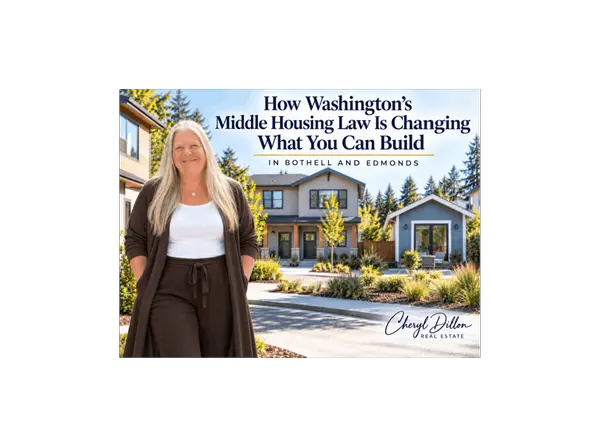
ADUs in Bothell and Edmonds: How Washington's Middle Housing Law Is Changing What You Can Build
GET MORE INFORMATION