
Am I Overpaying If I Relocate From a High-Cost Area? What Seattle Urban Buyers Need to Know
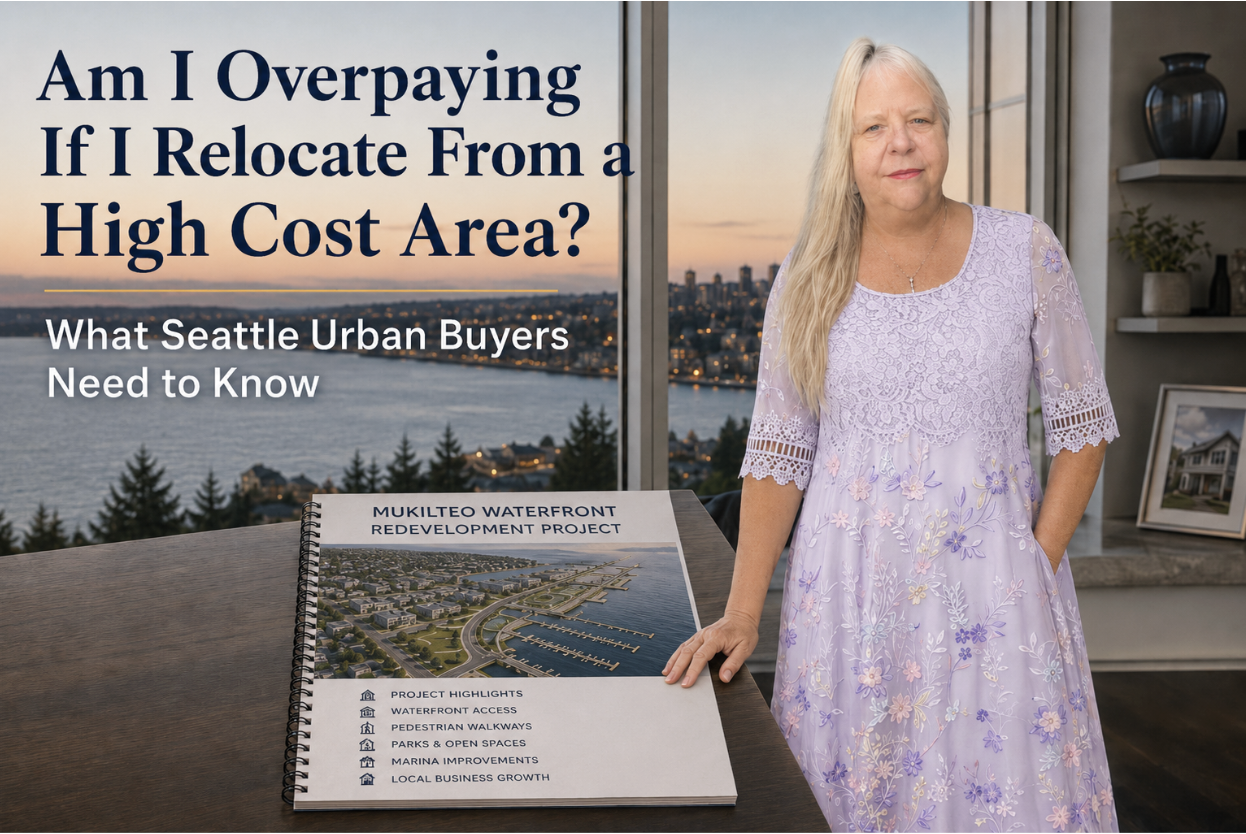
I see a lot of people moving to the Seattle area every week. They're coming from all over the Bay Area, Los Angeles, New York, Chicago, Austin. Everyone's got their own reasons for making the move. And when they start looking for a place to live, they all seem to feel the same way: relieved. Compared to where they're from, Seattle seems like a bargain.
It's a fact that people feel a sense of relief when they move to Seattle from cities like San Francisco, New York City, or the Los Angeles westside. And it's easy to see why Seattle offers a great balance of affordability, walkability, and unique neighborhoods with a strong sense of community. But this feeling of relief can sometimes be a double-edged sword. When buyers are still getting used to the new market, their sense of what's a good price can get a bit mixed up. They might not realize that what they're getting in Seattle is actually a really good deal, and that can lead to some unrealistic expectations. It's like their internal compass for prices is still set to the old market, and it takes some time to adjust to the new reality.
Growing up in the Pacific Northwest was an incredible experience for me. I spent most of my childhood riding my horse through the vast acres of National Forest, exploring every nook and cranny, and making memories that would last a lifetime. Summer vacations were always a blast, as we'd go camping in the mountains with our family and friends, surrounded by nature's splendor. Those carefree days had a profound impact on my perspective, shaping the way I see this part of the world. As I grew older, I made the Seattle area my home, and I've been living here for over 40 years now, still drawn to the natural beauty and wonder of this region.
When I meet with buyers who are moving from cities with high prices, and they tell me that Seattle's prices seem like a bargain, I realize we need to take a step back and discuss this further. What might seem cheap to someone from the Bay Area might not necessarily match what the Seattle market can actually handle.
Cheryl Dillon is a realtor in the greater Seattle area. She knows the area really well and uses that knowledge to help her clients make good decisions. Cheryl is honest and comes up with smart plans to help buyers and sellers in King and Snohomish County get what they want.
The Real Phenomenon: Geographic Price Extrapolation
There is a documented pattern that researchers in consumer behavior and housing economics have studied for years. It is sometimes called geographic price extrapolation, and it describes exactly what happens to many relocation buyers in their first weeks of searching.
It's pretty simple, really. After spending years in a market where a tiny two-bedroom condo in a neighborhood you can walk around costs a whopping $1.2 million, you start to think that's just the way it is. Your brain gets used to those prices and you base your ideas of what's expensive or cheap on that. So when you see a three-bedroom craftsman house in a similar neighborhood in Seattle listed for $875,000, you feel like you're getting a steal. It's like your brain is saying, "wow, this is a great deal" because it's comparing it to those crazy expensive condos you're used to seeing.
When you're looking at a house, it's easy to think about how it compares to where you used to live. However, that's not really the point. The real question is, is this house really worth almost a million dollars in this specific neighborhood, in the state it's in, and in the current Seattle market? You have to think about the price in relation to the local market, not just compare it to another city. It's like, just because it's cheaper than San Francisco, doesn't mean it's a good deal. You need to consider the specifics of the house and the neighborhood, and whether the price makes sense in the context of the Seattle real estate market right now.
These two questions are quite different from each other, and the second one needs knowledge of the local area to be answered properly.
I've seen really smart and savvy buyers from big cities like New York or San Francisco come to Seattle and offer way above the asking price for homes, sometimes as much as 10 to 15 percent more. They think they're getting a great deal, but often they don't really know the neighborhood, the street, or the house that well. They might not have a good sense of what similar homes in the area have sold for recently. Some of these offers are actually pretty fair, but others are not. It all depends on how well the buyer understands the local market and the specific details of the home they're interested in. If they don't do their homework, they might end up overpaying for a house that's not worth it. On the other hand, if they take the time to learn about the neighborhood and the local real estate market, they can make a much more informed decision and potentially get a better deal.
Having a local agent who provides honest guidance is crucial, rather than just someone who will praise your offer. This is why I became a Realtor - to give my clients the kind of service I would want for myself. I want every person I work with to feel informed, protected, and truly in control of their decisions. It's not just about making a sale, it's about making sure you have all the facts and can make the best choice for your needs. A good agent should be able to offer you straightforward advice, even if it's not what you want to hear, and help you navigate the process with confidence.
Seattle's Urban Core: What Buyers Are Actually Searching For
In Seattle, there are some city neighborhoods that people looking to move really want to live in. These neighborhoods are special because you can walk around easily, they have their own unique feel, and there are buses and trains to take you where you need to go. They also have a lively atmosphere on the streets, which is something that people from big cities are used to and like.
Understanding how each of these markets actually works, and what local buyers know that new arrivals often do not, is the foundation of a confident purchase.
Ballard and Fremont: Urban Energy With a Neighborhood Soul
If you're looking for a place to live in Seattle that's got a real city feel without being too crazy, Ballard and Fremont are two neighborhoods that people often search for. They're both located just north of Lake Union, and what's great about them is that they offer a genuine urban experience - it's not like they're trying too hard to be something they're not.
Ballard still has a strong Scandinavian feel to it, which you can see in its buildings, streets, and the way the community comes together. The neighborhood has a lot of character, with places like the Ballard Locks, the Sunday Farmers Market, and unique shops along Ballard Avenue. Its location near Shilshole Bay also adds to its charm. All these things combined make Ballard a place that people from cities like San Francisco or Portland can really appreciate, and they know it's the kind of neighborhood that will only get more valuable over time. It's a community that feels like home, and that's something that buyers are looking for.
Fremont positions itself as the Center of the Universe, and the self-aware humor is part of what makes it work. Outdoor sculpture, a Sunday street market, a strong arts presence, and walkable access to the Burke-Gilman Trail attract buyers who want vibrancy and genuine neighborhood personality.
If you're looking to relocate to this area, there are a few things you should know about the pricing. Both neighborhoods have gone up a lot in value over the past ten years, and there aren't many houses available because of the geography and rules about how many buildings can be put in one area. The prices of single-family homes in Ballard have increased really quickly, and there's a big difference in price between the cheapest attached homes and the single-family homes. So, if you're moving here from a place like San Francisco and you think the prices are low compared to what you're used to, you might end up competing with local buyers who have been watching the market for a long time and know exactly how much houses are worth. These local buyers know what similar homes in the area are selling for, which gives them an edge when making an offer. It's not just about comparing prices to what you're used to you need to understand the local market and what's considered a fair price here. Otherwise, you might find yourself in a tough spot, trying to negotiate a price that doesn't match what the locals know the house is worth.
When buying a home in areas like Ballard or Fremont, it's crucial to have a detailed understanding of the local market. This means looking at what homes have actually sold for in the past sixty to ninety days. You want to break it down by things like the number of bedrooms and bathrooms, the size of the lot, the condition of the property, and how close it is to important amenities. Having this kind of specific information is what sets a truly local real estate agent apart. They can use this analysis to help you make a strong offer on a home. It's all about having the right data to make informed decisions. A local agent can provide you with the insights you need to navigate the market with confidence.
Green Lake and Phinney Ridge: Park Life and Craftsman Character
Green Lake is right in the middle of a super popular spot in Seattle where people love to have fun and relax. The neighborhoods around it, like Phinney Ridge and the Green Lake neighborhood, have really made the park a big part of who they are.
The lake loop, which is about three miles long, is used all year by people who like to walk, run, bike, or just spend time with their families. On a nice summer evening, Green Lake Park is the place to be outdoors in Seattle, especially if you're north of Capitol Hill. The park's lively atmosphere has a big impact on the value of the properties around it, and that's not always easy to see just by looking at the price per square foot.
Homes around here have a lot of character, mostly because they were built in the early 1900s to mid-1900s in the craftsman style. They've got a certain charm, but also some imperfections that come with age. The thing is, people moving from California are often used to newer homes or ones that have been completely renovated. So, when they see a listing price for a house in Green Lake that looks nice, they might not realize how much work it actually needs to be fully restored.
If you're thinking of moving to Green Lake or Phinney Ridge, there are a few things to keep in mind when it comes to pricing. These areas are really popular with young professionals and families, so there's always a lot of people looking to buy. This means that homes in these areas tend to keep their value pretty well. If a house is in good shape and looks nice, it can create a bit of a bidding war, which can drive up the price. But the price per square foot can vary a lot depending on things like the exact location, which school district it's in, how the lot is oriented in relation to the park, and what kind of condition the house is in.
When someone visits an open house in Green Lake and thinks the price is fair compared to what they'd find in Palo Alto, they might be right in theory. But if they haven't looked at recent sales data and gotten some expert insight into what that really means for the current market, they could still end up making a pretty uninformed offer. It's not just about comparing prices in different areas, it's about understanding the local market and what's driving prices right now. Without that knowledge, even a seemingly reasonable offer might not be as smart as it could be.
Capitol Hill: Density, Transit, and the Urban Lifestyle Buyer
Capitol Hill is always the most popular neighborhood in Seattle for people looking for a busy city life. It has a lot to offer, like good public transportation, close proximity to downtown jobs, and a fun social scene with lots of things to do.
This neighborhood has a really special feel to it - it's small, easy to get around on foot, and has a lot of energy. One of the best things about it is the light rail station, which is right on Capitol Hill. From there, you can get to the University District, downtown, and even the airport quickly and easily, which is a big plus for people who commute to work or travel a lot.
Capitol Hill is a magnet for younger buyers and tech workers who want to be close to the city without breaking the bank. They like the idea of living in an urban area, but don't want to pay the high prices you'd find in places like South Lake Union. As a result, you'll mostly find condos and smaller townhouses in this neighborhood, with the occasional single-family home popping up - and when it does, it usually comes with a pretty hefty price tag.
If you're thinking of moving to Capitol Hill in Seattle, there are a few things you should know about the prices here. This area is one of the most in-demand urban markets in the city, which means that homes that are in good shape and priced right will sell fast. If you're coming from a place like New York or San Francisco, you might look at a condo in Capitol Hill and think it's a steal because the price is lower than what you're used to. And you know what, you might be right. But the thing is, there's a big range of prices in Capitol Hill, and it's not always easy to tell what's a fair price and what's just someone trying to get a good deal. You really need to know the local market to figure that out.
HOA structures, building financials, special assessments, and the specific unit's condition relative to others in the building are all factors that require careful due diligence, and those details matter as much to the long-term value of the investment as the neighborhood itself.
How to Know If You Are Paying a Fair Price: The Framework I Use With Every Relocation Buyer
When I work with clients who are relocating, one of the most helpful things I do is guide them through a step-by-step process to recalibrate their expectations before they even think about making an offer on a property. This conversation is really important and it usually goes something like this.
Step one: When buying or selling a home in Seattle, it's essential to focus on the local market rather than the one you're from. The key is to look at what similar homes in the same neighborhood have sold for recently, typically within the past sixty to ninety days. This will give you a better idea of the current market value. Your real estate agent should provide you with a detailed breakdown of these comparable sales, known as "comps," to help you determine a fair price for the property. By doing so, you'll be able to make a more informed decision, rather than relying on prices from your previous city, which may be entirely different. This approach will also help you avoid overpricing or underpricing your home, which can lead to unnecessary delays or financial losses.
Step two: Understand the demand profile of the specific neighborhood.** Not all Seattle neighborhoods perform the same way in the same market. Some neighborhoods have deep, consistent demand and low inventory, which supports prices at or above ask. Others have more inventory relative to demand, which creates negotiating room. A local agent who works these markets actively can tell you which dynamic applies before you make an offer.
When you're looking at homes, it's easy to get caught up in how nice they look. But it's really important to separate the way a home looks from what's really going on with it. Some buyers, especially those who have dealt with expensive renovations in California, might think that a nicely staged home in Seattle is ready to move into. But that's not always the case. The home might look great, but it could have some big issues, like a roof that's twenty years old, plumbing from the 1970s, or an electrical panel that's going to cause problems. That's why I think it's a good idea for every buyer to learn about what usually comes up during inspections for homes in the area they're interested in. This way, you'll have a better idea of what to expect and can make a more informed decision. For example, if you're looking at older homes, you might want to pay closer attention to things like the roof, plumbing, and electrical system, because these are often the things that need to be replaced or updated. By understanding what the inspection process typically reveals, you can avoid surprises down the line and make sure you're getting a home that's really ready for you to move in.
Step three: Get a sense of what you're up against. When you're in a competitive situation, it's crucial to know what other offers are on the table. Your agent should be able to give you the lowdown on the actual demand for a particular listing, rather than just giving you a rosy outlook. I've seen it time and time again buyers getting ready to put in an offer, and I've had to step in to give them a reality check on the competitive landscape. By doing so, I've helped them avoid overbidding in situations where demand is low. It's all about having a clear understanding of the dynamics at play before you commit to a number.
What Seattle's Urban Markets Have That Many Other Cities Do Not
What really matters for people looking to move to Seattle is that the city's central neighborhoods have something special to offer - a unique blend of walkable streets, plenty of character, and a strong sense of community, all nestled within a major tech hub. And let's not forget the stunning natural beauty that surrounds the city, with easy access to mountains, water, and outdoor spaces that you just can't put a price on, making it a rare find in most American cities.
That value is real. It is not manufactured. The reason Ballard, Green Lake, and Capitol Hill consistently attract both local and relocation buyers is because these neighborhoods deliver an everyday quality of life that is difficult to find anywhere else.
I've spent over 40 years in this area, seeing neighborhoods change with the market. Buyers who come to Seattle's urban market with a solid idea of prices, honest advice from locals, and a real understanding of what they're getting tend to make decisions they're happy with for a long time. They don't get caught up in the hype or let emotions cloud their judgment. Instead, they take a level-headed approach, looking at the facts and figuring out what's really important to them. This way, they can find a place that truly fits their needs and budget, and they can feel good about their purchase for years to come.
Some buyers just want to escape a pricey market, so they rush into a new one without doing their homework. Later on, they might find out they overpaid for their new place - that's where a good local realtor comes in, to help them avoid that mistake and get a fair deal.
A Word on What I Do Differently
I became the real estate agent I wished I had when I saw how hard it was for people to buy a home without someone to guide them honestly. Now, I make sure every person I help gets the same treatment, no matter where they're from California, Texas, the East Coast, or just down the street. I give them the lowdown on what's really going on in the neighborhood they want to live in, I help them make smart decisions before they make an offer, and I'm there for them every step of the way.
When you're getting ready to buy a home, the first step is crucial. This is where you either set yourself up for success or leave yourself open to potential problems. It's essential to have a clear understanding of what you're buying, in the specific neighborhood you're interested in, and at a price that the market can support. This isn't just a nice thing to have, it's a necessity. You need to know exactly what you're getting into, and that's what the preparation and education phase is all about. As I discuss in my book, “Home Buyers Playbook: The Secrets to Maximum Success”, this phase is critical in helping buyers make informed decisions and avoid costly mistakes. By doing your homework and understanding the local market, you can ensure that you're making a smart investment and achieving your goals.
If you're moving to the greater Seattle area and want to discuss prices in the neighborhoods you're interested in, just give me a call. I'd be happy to chat with you about it before you even think about making an offer on a place.
Frequently Asked Questions
Am I overpaying for a Seattle home if I'm coming from a high-cost city?
When moving to a new city, it's easy to get caught up in the excitement of finding a new home. But beware, because buyers from pricey cities like yours often make a mistake in the first few weeks of house hunting. They tend to overbid on homes because their sense of what's a fair price is still based on their old city, not their new one. To avoid this trap, take a closer look at what similar homes have actually sold for in your desired Seattle neighborhood over the past two to three months. Don't rely on what you're used to paying in your previous city. A good local real estate agent can help you get a sense of the market and make a smart offer. They can walk you through the numbers and show you what's really going on in the neighborhood. By doing your research and getting a grip on the local market, you can protect yourself from overpaying and find a great home at a fair price.
How do Seattle home prices compare to San Francisco or Los Angeles?
Seattle is a lot more affordable than San Francisco and the west side of Los Angeles, no matter the price or neighborhood. But let's be clear, Seattle isn't cheap compared to the rest of the country. In popular neighborhoods like Ballard, Capitol Hill, and Green Lake, where you can walk to lots of things, prices are high because lots of people want to live there. If you're moving from California, you might think everything in Seattle is a steal, but you can still pay too much if you don't look at what similar homes are selling for in the area.
What is the Ballard neighborhood like for buyers?
Ballard is a really popular neighborhood in Seattle, and it's easy to see why. For one, it's super walkable, which is a big plus. The area also has a lot of historic charm, with unique shops and restaurants that aren't part of big chains. And then there's the Ballard Locks, which is a pretty cool feature. Plus, it's close to Shilshole Bay, which is great for people who love the water. When it comes to houses, the prices for detached homes are pretty high, and there aren't many available. This neighborhood is in high demand, both from people who already live in Seattle and those who are moving here from somewhere else. As a result, when a well-prepared house goes on the market, it can get pretty competitive, with multiple people making offers. This helps keep prices strong, and it's a good time to sell if you own a house in Ballard.
Is Green Lake a good area to buy a home in Seattle?
Seattle's Green Lake and the nearby Phinney Ridge neighborhood are really great places for families and people who love to stay active. The park is a big part of what makes this area so special, and it helps keep property values strong all year round. There are some newer builds, however most of the homes in this neighborhood are older and have a classic craftsman style, which can be really charming. And buyers should be aware that these homes might need a little more work to maintain, and they should be prepared for some surprises when they get the inspection results. Overall, this neighborhood is a great choice for buyers who are looking for a long-term investment and are willing to be realistic about the condition and price of the homes.
What should Capitol Hill buyers know before making an offer?
If you're looking for a place to live in Seattle with great public transportation, walking options, and a lively city feel, Capitol Hill is a top choice. Most of the homes here are condos or attached houses. When you're thinking of buying, make sure to check the financial situation of the homeowners association, how much money the building has set aside for future repairs, and if there are any special fees coming up. It's not often you'll find a single-family home that's detached from other houses in Capitol Hill, and when you do, it usually costs a lot more. Homes in this neighborhood sell fast if they're priced right, so it's a good idea to get everything ready before you start looking.
How do I avoid overpaying when relocating to Seattle from a more expensive city?
The most effective protection is working with a local Realtor who will give you a thorough analysis of recent comparable sales before every offer, who will tell you the honest competitive dynamics for each listing you are considering, and who prioritizes your long-term interest over closing speed. Ask your Realtor to show you the comparable sales, explain how they arrived at their recommended price, and walk you through what makes this specific home worth what you are considering offering. A great local agent welcomes that conversation.
Is Seattle a good place to buy a home right now?
The real estate market in Seattle has become more stable now compared to a few years ago. There are more homes for sale in many neighborhoods, which means buyers have a lot more options and can negotiate better prices. The days of buyers having to pay all cash and waive all inspections are mostly behind us. If you're looking to buy a home in a nice area and it's been taken care of, you can still expect it to sell quickly. But now, buyers who do their research and have a plan can find some great deals. They just need to know what they're doing and be ready to act when they find the right home.
Ready to Talk?
Thinking about relocating to Seattle and want to understand what you are actually buying before you make an offer?
Cheryl Dillon is a Realtor in the greater Seattle area helping buyers and sellers navigate life transitions with clarity, strategy, and a genuinely personalized approach.
📞 **425-954-5622**
📧 **Cheryl@CherylDillonRealEstate.com**
🌐 **CherylDillonRealEstate.com**
📍 1455 Leary Way #400, Seattle, WA 98107
*Cheryl Dillon is a licensed REALTOR® in the state of Washington with EXP Realty.*
Categories
Recent Posts






GET MORE INFORMATION