
Thinking About Downsizing in Greater Seattle? 8 Things to Consider Before Selling
Introduction
A smaller home sounds simpler. Fewer rooms to clean, less yard work, and maybe lower expenses. However, a move that looks straightforward on paper can bring unexpected costs, emotional decisions, and practical challenges, especially if you have lived in your home for many years.
Downsizing can be a wonderful next chapter. The key is to move toward a lifestyle you want, rather than simply into fewer square feet.
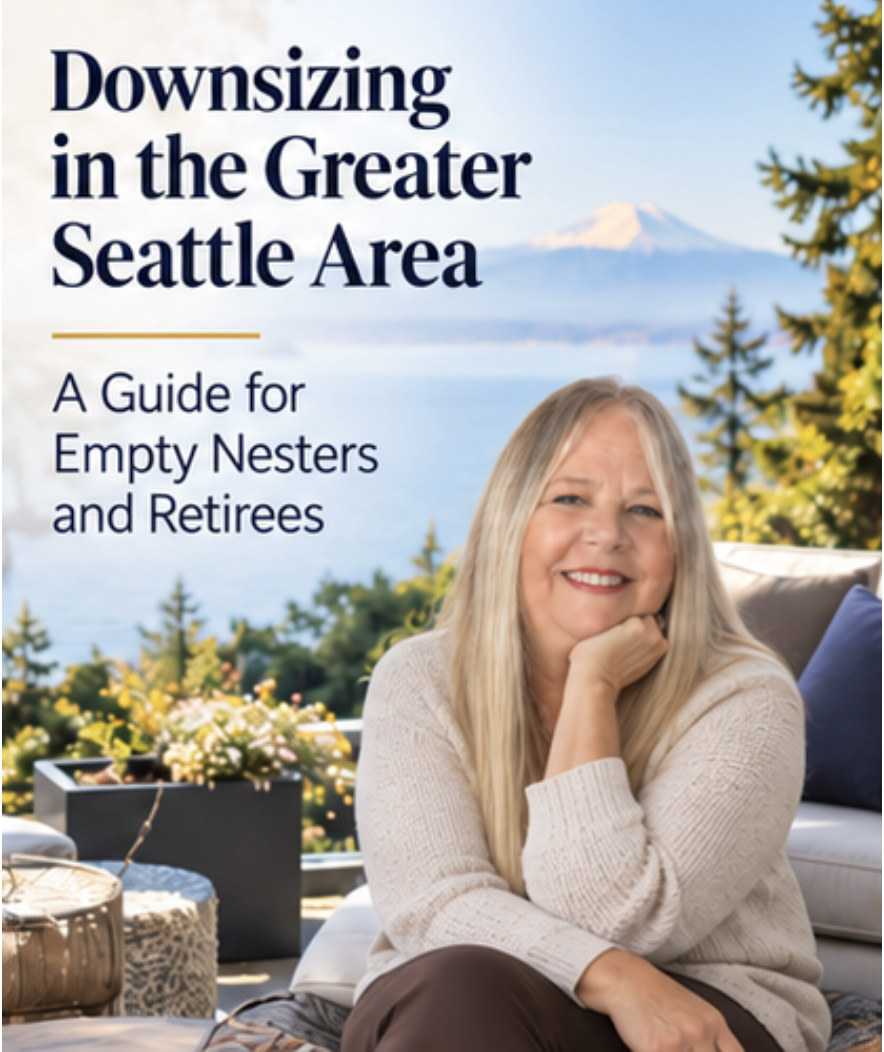
If we haven’t met, I’m Cheryl Dillon, a residential Realtor serving Greater Seattle, the Eastside, and Snohomish County. I enjoy helping people make confident decisions about their homes and lifestyles. Whether you’re thinking about buying or selling, or simply exploring your options, I’d love to connect and help you consider what might be right for your next move.
Quick answer: Before selling to downsize in Greater Seattle, weigh your reasons for moving, the full cost of your next home, the timing of the sale and purchase, accessibility and future needs, what to do with your possessions, home sale tax rules, ongoing maintenance responsibilities, and the location that best supports your daily life. A smaller home does not automatically mean a smaller monthly payment or a simpler life.
1. What Do You Want More Of, Not Just Less Of?
When people talk about downsizing, they often start with what they are tired of: mowing a lawn, caring for an aging roof, cleaning unused bedrooms, or climbing stairs. Those are real reasons to consider a move.
What do you want in return? More time to travel? A main floor bedroom and bath? The freedom to lock the door and visit family without worrying about a large yard? More chances to walk to shops, parks, or friends?
Make two lists: what you would gladly leave behind and what you want to keep. The second list might include room for overnight guests, a garden, outdoor space for a dog, or your familiar neighborhood. This exercise helps you avoid trading one frustration for another.
2. What Is the Complete Financial Picture?
If you have owned your home for a long time, you may have substantial equity. That opens possibilities, though the amount you have available after selling is not the same as the home's estimated market value.
Consider your remaining mortgage balance, preparation and repair costs, selling expenses, moving expenses, and any tax consequences that apply. Then estimate the full cost of the next home.
A condominium or townhome may have a lower purchase price than your current detached house, yet HOA dues, property taxes, insurance, special assessments, and mortgage costs may change the monthly math. Here is an illustration with round numbers: if the next home costs $150,000 less and carries $650 a month in dues, that is $7,800 a year that the lower price does not show.
If your current mortgage has a low interest rate, replacing it with a new loan at a different rate can also change affordability, even when the next home costs less. Ask your lender and your real estate professional to compare realistic net proceeds and monthly budgets. If your decision has significant tax implications, consult a qualified tax professional.
3. What Will You Need in the Future, Not Only Today?
A home that feels easy to move around in now may become inconvenient later. Even if mobility is not a concern today, evaluate stairs, step free entry, bedroom and bathroom locations, parking, laundry access, and the distance to everyday services.
Consider whether there is a walk in shower, good lighting, manageable storage, and convenient access for visitors. In condominium buildings, ask about elevators, accessible entrances, parking arrangements, and how the association handles building maintenance.
A single level home may be a better fit for some people, though it is not the only solution. The goal is a layout that supports the way you want to live over the coming years.
4. Which Community Matches Your Next Chapter?
Downsizing is as much about location as the house itself. For some people, walking around downtown Edmonds and visiting the waterfront sounds ideal. Others want convenient shopping and transit in Lynnwood, an urban style setting closer to Seattle, or proximity to family in Bothell, Bellevue, or another community.
Be realistic about the routine you want. Do you need healthcare nearby? Are you still commuting? Would you rather live close to friends, a recreation center, or trails? Is a ferry trip an enjoyable outing or a complication you would rather avoid?
Visit prospective areas on an ordinary weekday and at different times of day. A charming neighborhood may not be convenient for your needs.
5. What Does Low Maintenance Really Mean?
It is easy to assume that moving into a condo removes repair and upkeep concerns. Often it shifts certain responsibilities from the individual owner to a homeowners association.
Before buying, understand which maintenance items you will handle, which belong to the association, and how the association funds larger projects. Review governing documents, budgets, available reserve information, insurance, meeting minutes when provided, and existing or proposed assessments within your contractual review period.
A small detached house may still have gutters, drainage, a roof, landscaping, and systems that require regular attention. Less space can be helpful, and fewer responsibilities is the more meaningful goal for many downsizers.
6. What Will You Keep Before Moving Day?
Sorting a lifetime of belongings can take longer than selling the house. Furniture that works beautifully in a large family home may overwhelm a smaller living room. Family mementos, photos, collections, and inherited items can be emotionally difficult to evaluate.
Start early and begin with less sentimental spaces such as the garage, extra closets, or storage rooms. Measure the furniture you are considering before you promise yourself it will fit.
If family members would like keepsakes, discuss that while you have time. For donations, sales, or professional organizing, choose reputable local services and confirm pickup and disposal arrangements. You do not need to make every decision at once. Give yourself room to appreciate what your belongings have meant without bringing everything into the next house.
7. Should You Sell First or Buy First?
Selling before buying may give you a clearer budget and avoid carrying two homes, though it can create pressure if you have not secured your next place. Buying before selling may make the transition more comfortable, yet it can require additional financing, cash reserves, or a home sale contingency that a seller must accept.
Other arrangements, such as negotiated closing dates or temporary occupancy agreements, may be possible in particular transactions. Each option has contractual, financial, and logistical implications.
Speak with your lender and agent early so you understand the likely timelines and have a backup plan if the two closings do not align perfectly. Avoid assuming that a smooth one day move can always be arranged.
8. What Tax and Estate Questions Should You Review First?
If your property has appreciated substantially, capital gains taxes deserve advance attention. Some qualifying sellers may be eligible for a federal exclusion of gain on the sale of a principal residence, subject to ownership, use, and other rules. The exclusion is not automatic for every seller or every amount of gain.
Washington also has real estate excise tax rules that can affect sale proceeds. Your tax picture may depend on ownership history, improvements, marital status, use of the property, and other facts.
Avoid making assumptions based only on the profit you think you will receive. Before listing, talk with a tax professional if the sale could have meaningful tax consequences. If the home is held in a trust, estate, or unusual ownership arrangement, coordinate with the appropriate legal adviser as well.
What If You Love Your Home and Are Tired of the Work?
Selling is not the only option. In some cases, remodeling for accessibility, arranging regular landscaping or cleaning help, or changing how you use the existing home may meet your goals. That can matter most when you have strong community ties or a mortgage payment that would be difficult to replace. Compare the cost and practicality of staying with the true cost of moving.
If the layout, location, or ongoing responsibilities no longer fit, holding on simply because moving is emotional may not be the best long term solution. The choice deserves thoughtful consideration, not pressure.
What Are the Most Common Downsizing Mistakes?
- Comparing home prices and ignoring HOA dues, insurance, taxes, and a new loan rate
- Assuming the sale proceeds equal the home's market value
- Waiting to sort belongings until after the house is listed
- Choosing a home for today's stairs and ignoring tomorrow's needs
- Assuming a condo removes every maintenance responsibility
- Planning the sale and purchase as if both closings will line up perfectly
A Practical Downsizing Checklist
Before listing, clarify your destination, likely selling price range, selling costs, financial needs, next home budget, and moving timeline. Make a plan for what you will keep, donate, sell, or pass along.
Tour several options before committing to one style of housing. Compare stairs, parking, accessibility, maintenance duties, association documents, and proximity to your everyday destinations. Then decide what you will do if the current home sells more quickly, or more slowly, than expected.
Frequently Asked Questions
Is downsizing always cheaper?
No. The next home's location, purchase price, interest rate, taxes, insurance, dues, and upkeep may produce higher costs despite having less space. Calculate the complete budget.
Should I sell before I buy my next home?
It depends on your financing, available cash, comfort with uncertainty, and the current market. Each approach has benefits and risks. Discuss contingencies, carrying costs, and temporary housing possibilities before committing.
Are condominiums good for downsizers?
They can be, particularly when exterior maintenance and access to services matter. Review the actual floor plan, stairs or elevators, parking, HOA finances, insurance, rules, and special assessment exposure.
Will I owe capital gains tax when I sell my home?
Possibly. Federal exclusion rules may reduce or eliminate taxable gain for qualifying principal residence sales, however individual circumstances differ. Ask a qualified tax professional to review your situation.
How early should I start preparing to downsize?
Often earlier than expected, especially if you have a large home or many years of belongings. Beginning the organizing and financial planning process before listing usually provides more options.
What should I consider before downsizing my home?
Your reasons for moving, the full cost of the next home, timing, future needs, your belongings, taxes, maintenance, and the community that fits your daily life.
What if I love my home and am tired of the work?
Selling is not the only option. Accessibility remodels, regular landscaping or cleaning help, or changing how you use the home may meet your goals. Compare the cost of staying with the true cost of moving.
Ready to Explore Your Options?
A successful downsize is not measured only in square feet. It is measured in whether your next home gives you the comfort, flexibility, financial security, and everyday enjoyment you hope to gain. If you are thinking about downsizing, I would be happy to help you explore your options at your own pace.
Wherever you are in your home journey, you don’t have to have everything figured out before reaching out. I also help people connect with trusted, carefully vetted real estate agents across the country when their plans take them beyond my local area. If you have questions, would like to talk through your options, or need an introduction to an agent in another area, I’d be glad to connect. We can take it one step at a time. You don’t have to do this alone. I’m here to help.
Phone: 425.954.5622
Email: Cheryl@CherylDillonRealEstate.com
Website: CherylDillonRealEstate.com
I am Cheryl Dillon a licensed REALTOR® in the state of Washington with eXp Realty.
Categories
Recent Posts









GET MORE INFORMATION
