
Bothell’s Canyon Park Just Got a $274M Transit Boost—Here’s Why That Matters for Real Estate
Bothell’s Canyon Park Just Got a $274M Transit Boost—Here’s Why That Matters for Real Estate
Sound Transit just broke ground on a massive infrastructure project that could reshape how people move—and live—on the Eastside.
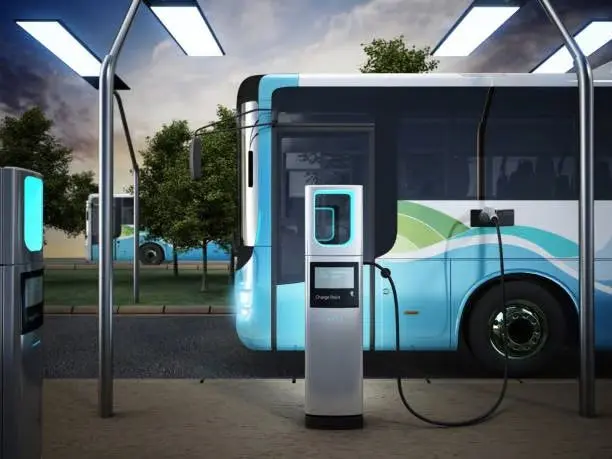
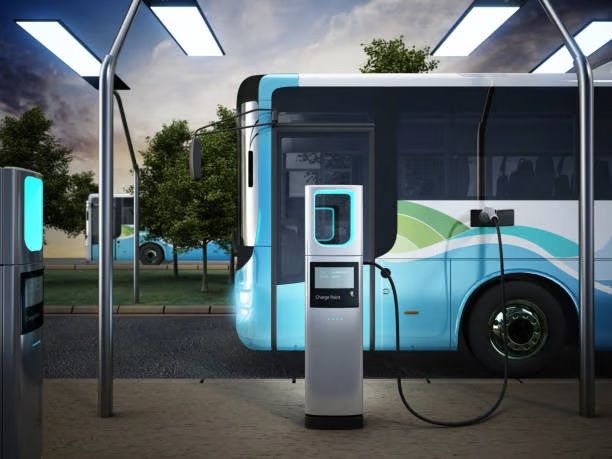
The new Stride BRT Bus Base North, located in Bothell’s Canyon Park, is a $274 million facility designed to support Sound Transit’s upcoming bus rapid transit (BRT) system. It’s not just a parking lot for buses—this is a full-fledged operations and maintenance base built to house, charge, and maintain up to 120 battery-electric buses that’ll power the S1, S2, and S3 Stride lines. These lines will connect key Eastside cities, reducing commute times by as much as 20 minutes.
The base is expected to be fully operational by 2028.
So why should homeowners, investors, and developers care?
Simple: infrastructure drives demand.
Good transit changes how people choose where to live. When you add reliable, fast connections to major job centers and neighborhoods, nearby housing often becomes more desirable. And that’s not just theory—cities across the country have seen this play out. Walkability, convenience, and reduced commute stress drive long-term value.
Canyon Park is already a growing biotech and high-tech hub. Layer in a major transportation upgrade, and it sets the stage for smart development. Think: townhomes, condos, apartments, and mixed-use spaces that serve residents who want to live closer to where they work and commute efficiently without relying solely on cars.
Bothell Mayor Mason Thompson made it clear this project isn’t just about buses—it’s about progress. He said the BRT base helps advance both climate and housing goals, which signals support for denser, transit-friendly developments in the area.
That matters.
As a Realtor focused on helping people make smart, informed real estate decisions, I’m paying attention to the long game. Projects like this don’t make headlines every day—but they often mark a turning point for a neighborhood or city.
If you’ve been watching Bothell or the Eastside from the sidelines, this is the kind of news that could signal opportunity. Whether you’re thinking of buying, selling, or holding, the next 3-5 years will be telling.
Here’s what I’ll be watching:
-
New zoning or land use changes near Canyon Park
-
Housing starts and permits in the transit corridor
-
Price trends for homes within walking distance of the Stride lines
-
Buyer interest shifting toward transit-accessible properties
I’ll keep sharing what I see on the ground. And if Canyon Park is on your radar—or you’re curious what this could mean for your property or next investment—I’m here for that conversation.
Let’s stay connected and keep making smart moves as Bothell evolves.
Categories
Recent Posts

Washington Down Payment Assistance in Late 2026: What Changed and What It Means for You

Luxury Homes on the Rise: What Is Happening at the Top of the Eastside and Edmonds Market

How to Read a Seller Disclosure Statement in Washington State

Lake Forest Park Real Estate Spotlight: Why This Micro Market Is Still Moving Fast in 2026
Snohomish County Inventory Is Rising: What It Means for Buyer Negotiating Power in 2026

Selling Your Home in Snohomish County in 2026: What Has Changed and What Has Not

Downsizing in the Greater Seattle Area: A Guide for Empty Nesters and Retirees

Mill Creek vs Woodinville: Which Community Fits Your Family Better

What It Really Costs to Live in the Greater Seattle Area: A Realistic Breakdown for Relocating Buyers

Accessory Dwelling Units in Washington State: What Homeowners Need to Know Before They Build
GET MORE INFORMATION