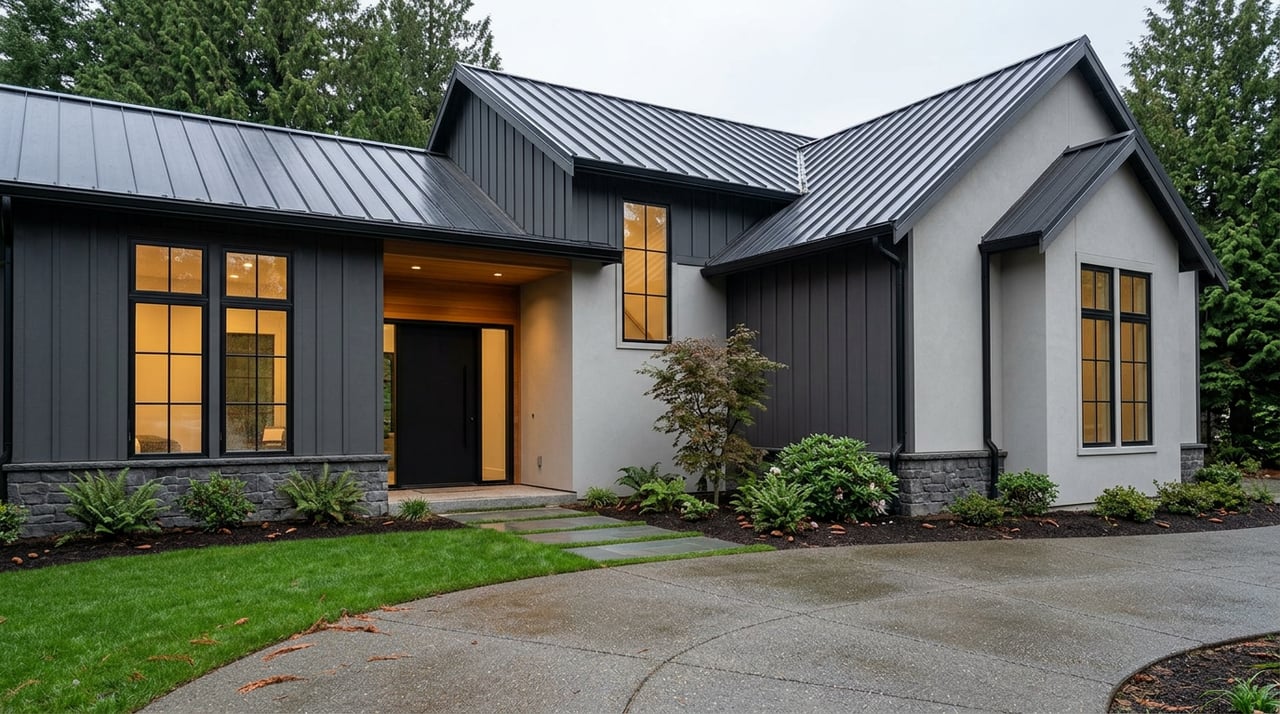
Redmond vs Seattle: Choosing Your Tech Hub Home
March 24, 2026
March 24, 2026
Choosing between Redmond and Seattle is one of the first big calls you make when relocating for a tech role. You want the right mix of housing, commute ease, and everyday lifestyle that fits your budget and schedule. In this guide, you’ll get a clear, side‑by‑side look at costs, transit, outdoor access, and practical tradeoffs so you can move with confidence. Let’s dive in.
Redmond skews more suburban with a strong single‑family base and fast‑growing townhome and condo pockets in Overlake, Downtown Redmond, and Marymoor Village. City medians recently hovered near about $1.5M for closed sales, with newer Eastside inventory often aimed at tech buyers’ needs. Municipal plans acknowledge a continued shortage of middle‑income housing, which supports current price levels. Review the city’s housing documents for longer‑term supply goals. Redmond housing plans and documents
Seattle offers a dense urban market with a large multifamily share, from high‑rise apartments and condos in the core to older single‑family areas in outlying neighborhoods. Prices spread widely by neighborhood, with central or waterfront areas commanding more. City planning documents highlight the scale of multifamily construction near transit nodes, which expands options for buyers who prioritize urban access. Seattle OPCD MHA FEIS (overview document)
If you plan to rent first, asking rents in Redmond often start in the low‑to‑mid $2,000s for one‑bedroom apartments and rise for larger units. Family‑sized rentals can trend higher on the Eastside. Seattle’s citywide apartment median sits closer to the low $2,000s, but neighborhood variation is large. Check current Redmond asking rents here: Rentometer: Redmond average rents
On average, Redmond’s mean commute sits around 22 minutes, while Seattle’s is closer to 26 minutes. Seattle neighborhoods often provide more walk, bike, and transit alternatives, which can shorten trips to downtown employers without relying on a car. Your results will hinge on exact origins, destination, and time of day. Census QuickFacts
Sound Transit’s 2 Line now connects key Eastside destinations, including the Redmond Technology area, and extended to Downtown Redmond in 2025. A cross‑lake I‑90 link to Seattle has been scheduled for phased openings into 2026. This rail access improves regional connectivity and can reduce car dependence for many job pairs. Verify current timetables and station runtimes when you plan your tour. Sound Transit update
Redmond relies on SR‑520 and I‑405, which see routine peak congestion and tolling on SR‑520. Seattle residents crossing the lake face similar bottlenecks, especially during peak windows and special events. When you test commutes, compare peak and off‑peak in both directions and consider first‑mile and last‑mile factors like parking or shuttle service.
Redmond’s rhythm leans tech‑campus friendly, with employers driving daytime energy and supporting retail near Overlake and Downtown. You have quick access to a strong park and trail network, with Marymoor Park’s roughly 640 acres standing out for fields, a velodrome, a large off‑leash area, and riverfront paths that connect to the Sammamish River Trail. If you value space and recreation at your doorstep, this can be a decisive draw. Marymoor Park overview
Seattle brings a larger, more varied cultural scene, from neighborhood dining to museums and major venues. Many urban neighborhoods offer convenient pedestrian access to restaurants and entertainment, along with signature parks and waterfront experiences. If you want a short walk or quick transit ride to downtown employers or nightlife, certain Seattle neighborhoods can deliver that.
For Cascades access, the Eastside location puts Redmond closer to many foothill trailheads and the Snoqualmie or Stevens Pass corridors. Central Seattle can be faster for ferry access to the Olympic Peninsula or island day trips. If you ski frequently or plan regular hikes, proximity to the passes from the Eastside can save meaningful time, especially in winter.
Redmond is primarily served by the Lake Washington School District, a large Eastside district with a range of schools. Seattle is served by Seattle Public Schools, which is much larger and covers many distinct neighborhoods. Use district resources and school‑level reports to match your priorities with specific attendance zones.
Census indicators show higher median household incomes in Redmond than in Seattle, which aligns with higher housing values on the Eastside. These figures are helpful for framing affordability, mortgage planning, and long‑term equity expectations. Census QuickFacts
Washington has no state income tax. Plan for relatively high combined sales taxes that vary slightly by city, typically in the 10 to 10.5 percent range for this area. For current local rates by ZIP code, use a state and local tax lookup. Sales tax reference: Redmond
When you are ready to see the options side by side, schedule a private relocation consult and curated tour. With four decades of local experience, Cheryl Dillon can help you narrow the list to neighborhoods that fit your budget, commute, and lifestyle.
Stay up to date on the latest real estate trends.





With a commitment to excellence, Cheryl ensures that every client enjoys a seamless, informed, and five-star experience throughout the home buying or selling process.