
Kirkland Affordable Housing
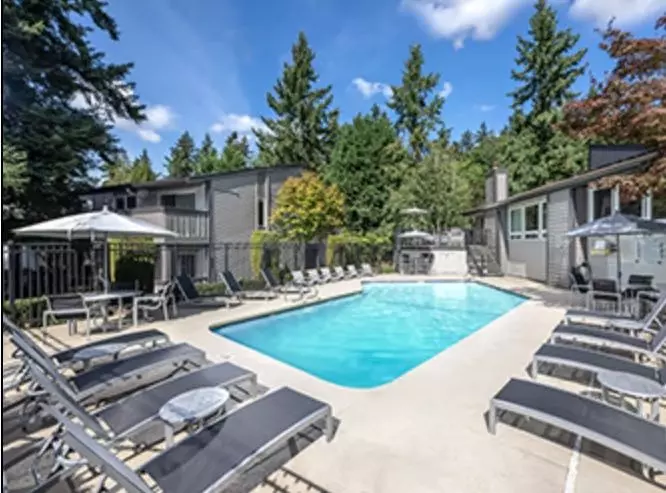
The Deal in a Nutshell
-
Acquisition and Preservation:
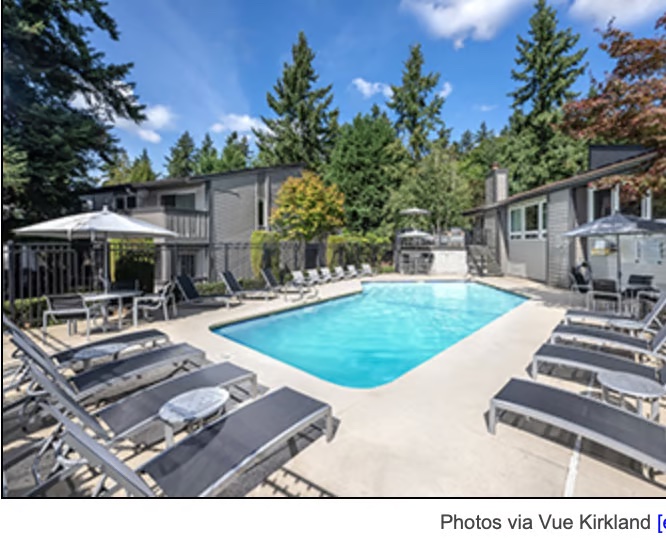
BRIDGE Housing acquired the 200-unit Vue Kirkland complex—built in 1977—from market-rate ownership for $55.2 million. -
Financing Structure:
Amazon.org’s Housing Equity Fund provided a $22 million junior loan; senior financing came from National Equity Fund and Morgan Stanley, creating a $250 million revolving credit facility for BRIDGE to accelerate more projects multihousingnews.com. -
Affordable Covenants:
All 200 units will convert through natural turnover into rent-restricted apartments for households at 50 to 80 percent of AMI, with tax exemptions tied to the conversion progress.
Why This Matters
-
Scaling Affordability in High-Cost Markets
Kirkland’s booming tech economy has driven rents well above what many working families can afford. By transforming an existing property rather than building new, BRIDGE accelerates supply without the delays of ground-up development—preserving “embodied” environmental value and reducing construction waste. -
Corporate Philanthropy as a Catalyst
Amazon’s $22 million injection isn’t just a loan; it’s a signal that major corporations can—and will—use their balance sheets to address housing challenges. When a company whose employees drive local markets steps directly into financing, it lowers risk for other investors and shines a spotlight on replicable funding models. -
Public-Private Synergy
Partnerships with the City of Kirkland and A Regional Coalition for Housing grant BRIDGE escalating property-tax exemptions, ensuring the feasibility of long-term affordability. This collaborative approach—linking policy tools with private capital—could become a blueprint for other suburbs wrestling with affordability crises.
The Bigger Picture: Corporate Investments in Rentals
As tech giants like Amazon, Microsoft, and Google accrue wealth from rapid growth, their role in community well-being has come under the microscope. Beyond charitable grants, direct investments in housing represent a new frontier:
-
Risk Mitigation: Corporate loans can de-risk projects for nonprofits by offering junior capital, often at below-market rates.
-
Market Signaling: Big-name involvement can attract further private and philanthropic capital, normalizing impact-oriented deals.
-
Community Trust: Transparent partnerships with local governments and advocates build goodwill—crucial in markets wary of corporate overreach.
However, this trend also raises questions: How do we ensure long-term stewardship once corporate funds recede? Will such deals favor high-profile markets over less visible needs? And how can communities guard against “philanthropic gentrification,” where affordable projects catalyze nearby price hikes?
Looking Ahead in Kirkland
With Vue Kirkland under nonprofit stewardship, residents can expect stabilized rents, upgraded shared spaces, and a renewed focus on community amenities. For local real estate professionals, this project underscores several action items:
-
Watch for Adaptive Reuse Opportunities: Existing apartment complexes or commercial buildings ripe for conversion may offer similar impact and financial viability.
-
Deepen Public-Private Relationships: Engage city councils, housing authorities, and nonprofit developers early—policy incentives like tax exemptions can make or break a project.
-
Advocate for Balanced Growth: Champion developments that blend market-rate and affordable units to sustain economic diversity.
Conclusion
Amazon.org’s $55.2 million pledge for Vue Kirkland is more than a headline—it’s a case study in how corporate resources, nonprofit expertise, and smart public policy can converge to tackle one of our region’s most pressing challenges. As tech-driven suburbs like Kirkland and Bellevue grapple with high costs, this model may well become the new normal: a way to harness private capital for public good, ensuring that our communities remain vibrant and accessible for all.
Amazon.org’s $55.2 million pledge for Vue Kirkland is more than a headline—it’s a case study in how corporate resources, nonprofit expertise, and smart public policy can converge to tackle one of our region’s most pressing challenges. As tech-driven suburbs like Kirkland and Bellevue grapple with high costs, this model may well become the new normal: a way to harness private capital for public good, ensuring that our communities remain vibrant and accessible for all.
Categories
Recent Posts

Thinking About Downsizing in Greater Seattle? 8 Things to Consider Before Selling

Your Home's Value Dropped. So Why Are Your Property Taxes Higher?

You've Owned Your Home for 20 Years. How Much of Your Profit Will You Actually Keep?

Fall Fun Near Seattle 2026: Pumpkin Patches, Corn Mazes, Apple Farms and Trick or Streets

The Great Washington ShakeOut 2026: Do You Need Earthquake Insurance or a Seismic Retrofit in Seattle?

Zillow Has Never Been Inside Your House
Edmonds or Bothell? A Fact-Based Comparison of Prices, Schools, Commutes, and Lifestyle

What Should You Expect From a Home Inspection in the Seattle Area? Sewer Scopes, Moss, Crawl Spaces, and Oil Tanks

Should You Sell Your Home in Fall or Winter in the Seattle Area?
Is Living Near Light Rail Worth It? How the 2 Line and Stride Are Changing Where Seattle Area Buyers Look
GET MORE INFORMATION