Seattle’s Housing Push vs. Mature Trees: How the City Balances Growth and the Canopy
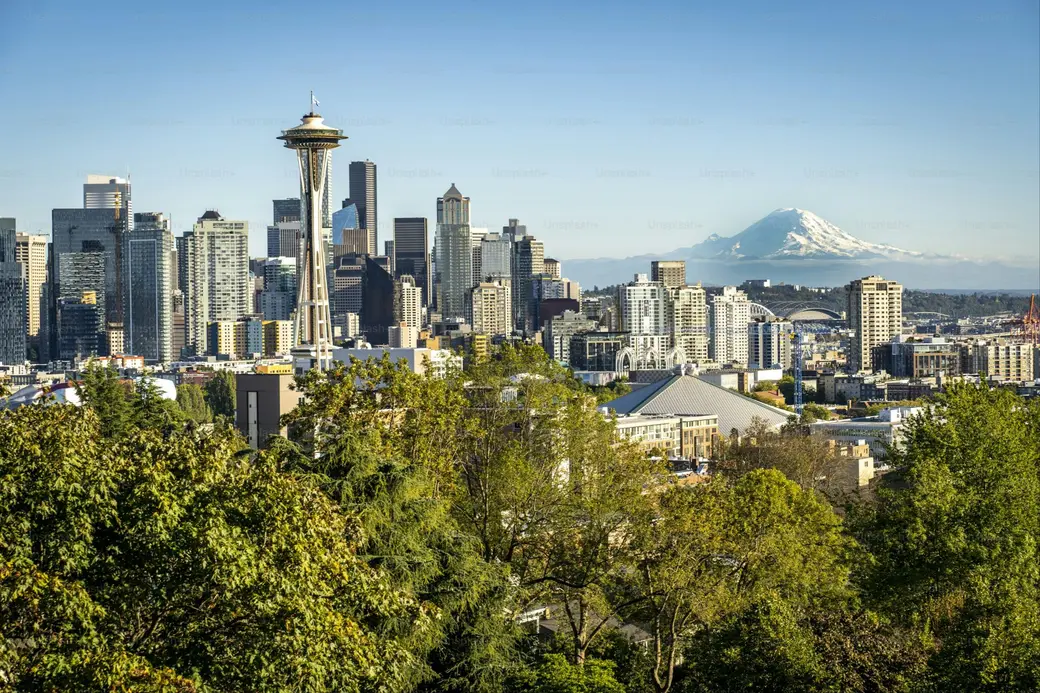
Seattle is in the midst of a high‑stakes balancing act: build enough housing to keep the region affordable while preserving the mature trees that make neighborhoods healthy and desirable. Recent reporting documents a dramatic increase in tree removals tied to redevelopment, set against the city’s claim of adding more than 10,400 housing units since mid‑2023 — a tension that’s surfaced in neighborhood meetings and City Hall. AP News
Why the conflict is happening now
Two forces collide. First, the city is pursuing faster and more diverse housing production to address shortages. Second, recent adjustments to tree protection and permitting have made it easier, critics say, for developers to remove mature trees on private lots during redevelopment. The result: homeowners and canopy advocates feel trees are being sacrificed to meet housing goals, while housing advocates say scaling up unit counts is an urgent necessity.
What’s at stake for homeowners and neighborhoods
Mature trees are more than aesthetics. They lower cooling costs, reduce stormwater runoff, provide habitat, and improve mental health. Losing them changes microclimates and can disproportionately impact lower‑income neighborhoods with less existing canopy. Conversely, more homes — especially near services and transit — can ease price pressure and reduce carbon emissions from long commutes. The challenge is weighing near‑term environmental harms against long‑term housing benefits.
Practical policy approaches that bridge the gap
There are concrete ways cities reconcile growth and green space:
• Canopy‑sensitive permitting: Require trees be considered in early design stages so building footprints shift before permits are finalized.
• On‑site retention & mitigation: Incentivize developers to keep significant trees or plant robust replacements immediately, not just years later.
• Targeted density where canopy loss is low: Focus new higher‑density housing in commercial corridors and under‑canopied areas to preserve tree‑rich neighborhoods.
• Financial incentives: Offer density bonuses or tax abatements to projects that preserve a percentage of mature canopy.
• On‑site retention & mitigation: Incentivize developers to keep significant trees or plant robust replacements immediately, not just years later.
• Targeted density where canopy loss is low: Focus new higher‑density housing in commercial corridors and under‑canopied areas to preserve tree‑rich neighborhoods.
• Financial incentives: Offer density bonuses or tax abatements to projects that preserve a percentage of mature canopy.
Each tactic reduces the all‑or‑nothing conflict, making preservation and housing both achievable.
What homeowners and buyers should watch
If you own or are shopping for a home in Seattle, watch zoning changes, demolition permits in your block, and City Council votes on growth and tree policies. These choices shape property values, shading, and neighborhood character for decades. For buyers, proximity to preserved canopy can be a stable premium; for sellers, a healthy tree canopy remains a marketable asset.
If you own or are shopping for a home in Seattle, watch zoning changes, demolition permits in your block, and City Council votes on growth and tree policies. These choices shape property values, shading, and neighborhood character for decades. For buyers, proximity to preserved canopy can be a stable premium; for sellers, a healthy tree canopy remains a marketable asset.
Conclusion
Seattle doesn’t have to choose between trees and homes. With smart policy design, careful siting of density, and stronger developer incentives for canopy retention, cities can protect mature trees while building the homes the region urgently needs. The real work will be in the details — and in the political will to design policies that value both shelter and shade.
Seattle doesn’t have to choose between trees and homes. With smart policy design, careful siting of density, and stronger developer incentives for canopy retention, cities can protect mature trees while building the homes the region urgently needs. The real work will be in the details — and in the political will to design policies that value both shelter and shade.
Categories
Recent Posts

Mortgage Rates Are Above 7% (7.4% APR). So Why Might This Be a Good Time to Buy?

Thinking About Downsizing in Greater Seattle? 8 Things to Consider Before Selling

Your Home's Value Dropped. So Why Are Your Property Taxes Higher?

You've Owned Your Home for 20 Years. How Much of Your Profit Will You Actually Keep?

Fall Fun Near Seattle 2026: Pumpkin Patches, Corn Mazes, Apple Farms and Trick or Streets

The Great Washington ShakeOut 2026: Do You Need Earthquake Insurance or a Seismic Retrofit in Seattle?

Zillow Has Never Been Inside Your House
Edmonds or Bothell? A Fact-Based Comparison of Prices, Schools, Commutes, and Lifestyle

What Should You Expect From a Home Inspection in the Seattle Area? Sewer Scopes, Moss, Crawl Spaces, and Oil Tanks

Should You Sell Your Home in Fall or Winter in the Seattle Area?
GET MORE INFORMATION